Leading North York top Home Renovation Contractor
Leading North York top Home Renovation Contractor
Blog Article
Picking the Right Home Builder: Your Manual to Dream Homes
Selecting the appropriate home builder is a vital step in realizing one's desired living space. It requires careful consideration and extensive research. A variety of factors come into play, from a builder's track record to their manner of interaction. Understanding these elements can substantially impact the construction journey. As one navigates this challenging process, certain key aspects demand attention to secure a successful outcome. What should one emphasize to make an informed decision?
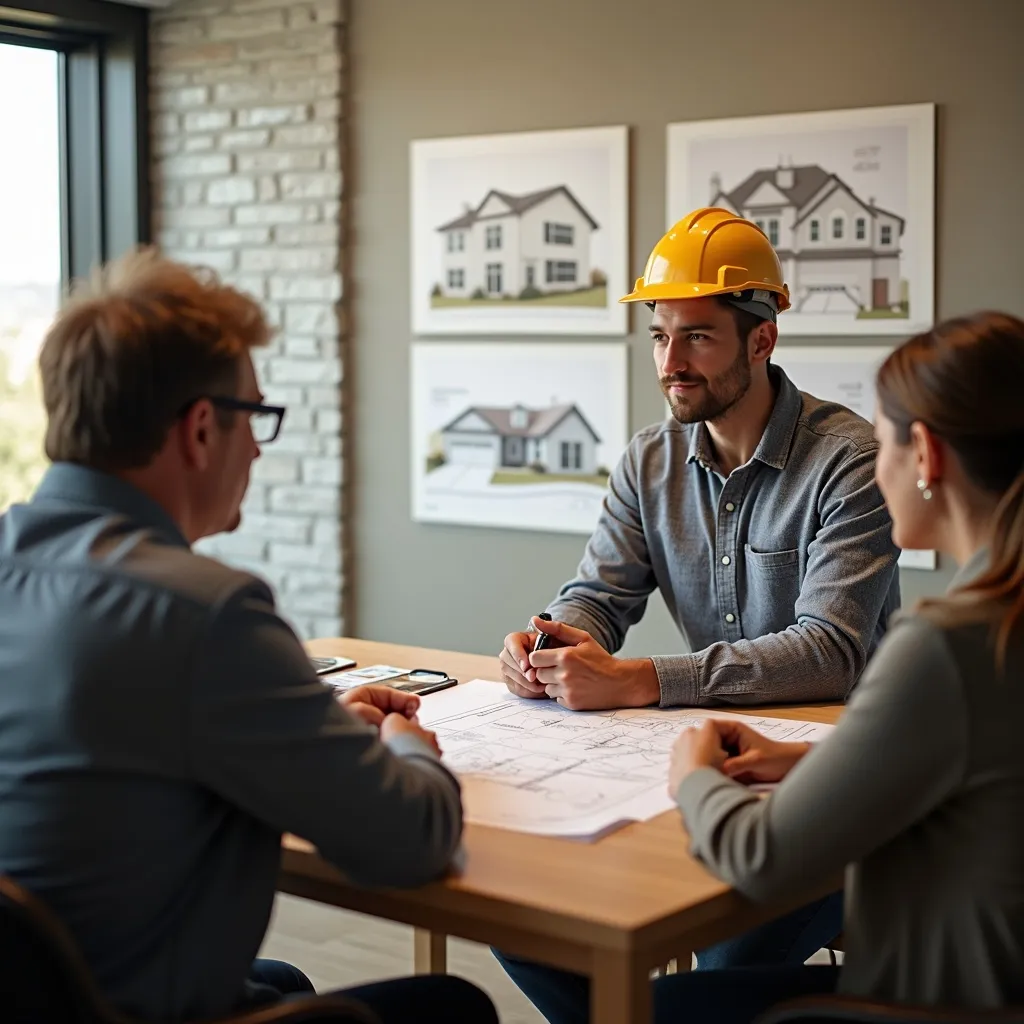
Strategies for Beginning Your Quest to Find a Home Builder
How does one begin on the journey to find the ideal home contractor? The initial step involves conducting thorough investigation to identify possible candidates. Prospective homeowners should leverage online resources, including reviews and feedback, to gauge the standing of various builders. Connection building can also be advantageous; requesting recommendations from acquaintances, loved ones, or property agents frequently leads in reliable options.
Next, individuals should visit local housing exhibitions or open houses, providing firsthand experience of a constructor's projects. It is crucial to develop a shortlist of contractors who match personal tastes and project needs.
After this list is finalized, homeowners can prepare to reach out for consultations. During these meetings, exploring previous projects, timelines, and communication styles can uncover much about each builder's approach. This foundational stage is critical, setting the stage for a successful construction journey ahead.
Key Criteria for Reviewing Home Developers
Assessing home builders necessitates a systematic framework to assure that the selected candidate fulfills specific standards and expectations. Essential elements feature background, credibility, and workmanship standards. A builder's project showcase should present completed projects that correspond to the intended design and usability.
References and testimonials from previous clients offer insight into reliability and client contentment. It is also vital to assess the contractor's communication skills and promptness, as these qualities can significantly affect the entire process.
In addition, understanding the builder's warranty policies and compliance with local building codes is important for long-term peace of mind. Financial stability should not be missed; a established builder will have solid financial backing, enabling them to complete projects on deadline and budget. By focusing on these criteria, potential future owners can make informed decisions when determining the proper contractor for their desired residence.
Investigating Adaptation Options in Home Architecture
What factors influence the customization options accessible in house design? Several factors serve a major function, such as the builder's experience, the construction materials in construction, and the area construction standards. Experienced developers often offer a wider range of customization options, as they have developed partnerships with suppliers and subcontractors. Additionally, the type of home—whether it's a single-family residence or a multi-family unit—can establish the scope of customization available.
When exploring customization options, homebuyers should also consider the construction timeline, as more elaborate designs may extend the construction period. Geographic location can influence available styles and building materials, as specific designs may be more practical or desirable in specific regions. Finally, financial limitations can limit choices, as more intricate features and high-quality materials typically come at a premium. Recognizing these considerations can assist buyers make informed decisions when considering custom design choices.
Grasping Pricing Frameworks
Understanding pricing structures is essential for homebuyers maneuvering the intricacies of the building phase. Different contractors utilize various cost structures, which can greatly impact overall costs. Fixed pricing offers certainty, enabling customers to know the final price upfront, while cost-plus model requires paying the actual construction costs plus a fixed charge, creating potential for fluctuations.
Additionally, some builders offer a hybrid approach, blending elements from each approach. Homebuyers should also consider included features and upgrades, as these can analysis considerably influence the final price. Detailed breakdowns offer clarity, helping buyers understand where funds are distributed.
It is important for buyers to evaluate payment schedules and potential hidden costs, such as certifications or ground preparation. By thoroughly understanding these structures, prospective home owners can reach sound conclusions, ensuring they choose a construction company whose pricing corresponds to their budget and expectations.
Why Transparent Correspondence Matters When Choosing a Construction Professional?
Communication that is transparent proves essential when picking a home builder, since it nurtures trust between the client and the builder. By making sure that specifications and project requirements are thoroughly discussed, parties can prevent costly confusion. Ultimately, open and honest dialogue sets the foundation for a successful building experience.
Establishing Confidence Via Transparency
How can future homeowners ensure their vision aligns with their builder’s expertise? Building confidence through clarity is essential in this connection. Clear communication builds understanding, making sure that both parties are on the same page regarding project expectations, timelines, and design details. Homeowners should convey their desires while actively hearing the builder’s ideas and advice. Ongoing updates and open dialogue throughout the construction process further solidify this trust, allowing for changes as needed. Transparency in communicating project challenges and solutions also deepens this bond, making it easier to overcome potential hurdles together. Ultimately, clarity in communication not only aligns visions but also establishes a strong foundation for a successful partnership, leading to the realization of the homeowner’s dream home.
Eliminating High-Cost Misunderstandings
What transpires when expectations split between homeowners and builders? Confusion can create costly delays, budget overruns, and dissatisfaction. Clear interaction is important to match visions and ensure that both parties are on the same page. Homeowners should articulate their desires, preferences, and budget constraints from the outset. Builders, in turn, must deliver transparent timelines, costs, and scope of work. Regular updates and open discussion encourage trust and allow for adjustments as necessary. Documenting agreements in writing helps to avoid future disputes. By prioritizing clarity, both homeowners and builders can minimize risks, producing a smoother construction process and a more satisfying end result. Ultimately, effective communication is the foundation of a successful building experience.
Checking Credentials and Reviews: Top Methods
When picking a home contractor, checking references and reviews is essential for making informed choices. Examining feedback from prior customers provides understanding into the builder's dependability and work quality. Understanding both personal references and online evaluations can greatly influence the contractor's credibility.
Importance Of References
While many factors influence the choice of a home builder, the crucial nature of verifying references and reviews cannot be overstated. References give firsthand accounts of a builder's reliability, quality of work, and professionalism. Engaging directly with past clients allows potential homeowners to gain deeper understanding into the builder's communication style and ability to meet deadlines. Furthermore, reviews can showcase patterns in the builder’s performance, whether positive or negative. This information is vital for making an educated choice, as it can uncover potential red flags or build confidence in a builder's expertise. Ultimately, rigorous reference checks help guarantee that homeowners select a builder who corresponds to their goals and expectations, greatly impacting their overall satisfaction with the building process.
Evaluating Digital Input
How can prospective homeowners successfully traverse the vast landscape of online feedback when evaluating a home builder? First, they should look for feedback on reputable platforms, such as Google, Yelp, and specialized construction forums. It is crucial to differentiate between genuine reviews and potentially biased ones, identifying trends in feedback rather than isolated comments. Homeowners should consider both positive and negative remarks, emphasizing recurring strengths or weaknesses highlighted by multiple reviewers. Additionally, they can check the builder's response to criticisms, which may indicate their commitment toward customer service. Finally, reaching out to previous customers directly can provide deeper insights, ensuring that the builder aligns with the homeowner's expectations and needs.
Frequently Raised Questions
Which Licenses and Certifications Should a Home Builder Obtain?
A home builder should have a valid building license, general liability insurance, and relevant qualifications such as OSHA training or sustainable construction certifications. These qualifications ensure compliance with industry safety protocols and industry regulations, boosting trust and professionalism.
What Timeframe Should You Expect for the Home Building Process?
Building a home generally takes six months to over a year, reliant on various factors such as scope of work, atmospheric conditions, and permitting delays. Each stage needs thoughtful planning to guarantee prompt finishing and quality results.
Can I view Previous Projects Completed by the Contractor?
Yes, potential clients can often see former assignments completed by the developer. This allows them to appraise skill level and design merit, helping to inform their purchasing process and guarantee peace of mind with their prospective home.
What Coverage Do Developers Typically Include on New Homes?
Builders commonly extend guarantees safeguarding structural strength for ten years, major systems like plumbing and electrical for five years, and workmanship for one year. These warranties offer homeowners with protection against imperfections and necessary repairs.
What Ways Can I Verify My Builder Adheres to Schedule?
To ensure a builder stays on schedule, one should establish clear timelines, keep consistent dialogue, and implement milestone check-ins. Recording advancement and tackling setbacks quickly can also help keep the project on track.
Report this page